
مجموعهای کامل از راهکارها
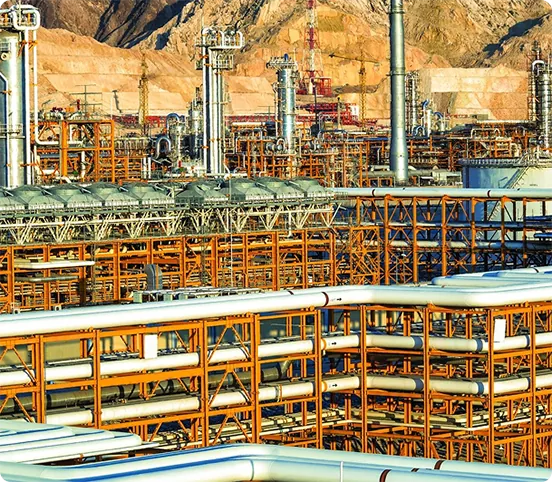
آروین نوین با اتکا به دانش فنی، تجربه یکپارچه و ارائه راهکارهای جامع مهندسی، به کارفرمایان خود کمک میکند تا به طرحها و پروژههایی اقتصادیتر، مطمئنتر و کارآمدتر دست یابند. این شرکت با برخورداری از توانمندیهای تخصصی، در تمامی مراحل چرخه حیات پروژه، از توسعه مفهومی و طراحی مهندسی تا پشتیبانی در تأمین، راهاندازی، پیشراهاندازی و خدمات پس از آن، همراهی قابل اعتماد برای مشتریان خود است.

- آروین نوین
حوزههای فعالیت
صنعت نفت و گاز و پتروشیمی، صنعتی تخصصی و پیچیده است و دستیابی به نتایج مطلوب در آن، نیازمند دانش، مسئولیتپذیری و پایبندی به اصول حرفهای است.
در آروین نوین، توسعه مستمر دانش و توانمندیهای تخصصی سرمایه انسانی، همواره مورد توجه است. حرفهایگری، تعهد و تلاش برای انجام درست امور، از ارکان اصلی هویت سازمانی ما بهشمار میآید.
ما با نگاهی رو به جلو، از رویکردهای نوین استقبال میکنیم و همکاری و همافزایی را بخشی از مسیر موفقیت میدانیم.
صداقت، شفافیت و احترام
ما با صداقت و ارتباط شفاف، اعتماد و احترام متقابل را تقویت میکنیم. همکاری و کار تیمی از ارزشهای اصلی آروین نوین است؛ زیرا باور داریم توان یک تیم منسجم، از توان هر فرد بهتنهایی بیشتر است.
اعضای تیم ضمن پایبندی به مسئولیتهای خود، موفقیت جمعی را بر موفقیت فردی مقدم میدانند.
توجه به سرمایه های انسانی
سرمایه انسانی، مهمترین پشتوانه سازمان ماست و نقش تعیینکنندهای در موفقیت آروین نوین دارد. از همینرو، ایجاد محیطی حرفهای، پویا و مبتنی بر احترام متقابل، برای ما از اهمیت بالایی برخوردار است.
ما به تنوع دیدگاهها ارج مینهیم و در تصمیمگیریهای خود، همواره آثار و پیامدهای آن را بر همکاران و محیط پیرامون در نظر میگیریم.
تعالی سازمانی
ما در صنعتی راهبردی و حساس فعالیت میکنیم؛ از اینرو، تعالی در عملکرد را از طریق مدیریت نظاممند، منضبط و مبتنی بر استانداردهای حرفهای دنبال میکنیم.
پایبندی به الزامات و بهبود مستمر در سه مؤلفه کلیدی کیفیت، زمان و هزینه، از اصول اساسی ماست.
ما همواره در مسیر یادگیری، ارتقا و اصلاح مستمر گام برمیداریم.
- چرا آروین نوین
تخصص مهندسی و شبکه تأمین قابل اعتماد
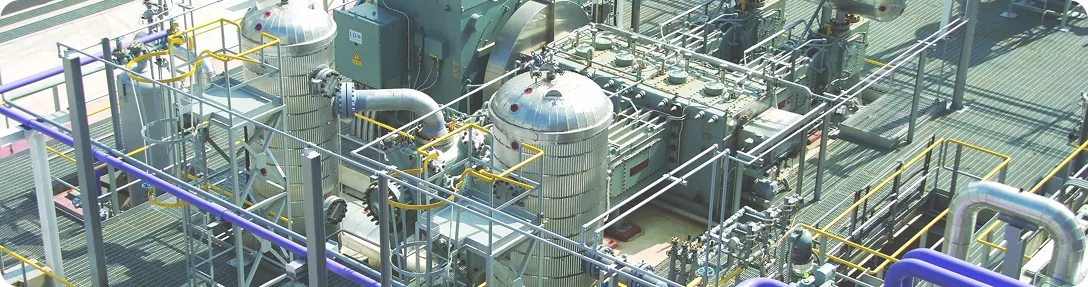
آروین نوین افزون بر ارائه خدمات مهندسی، طراحی، راهاندازی و پشتیبانی فنی، راهکارهای تخصصی تأمین و تدارک تجهیزات و اقلام صنعتی مورد نیاز پروژههای نفت، گاز، پتروشیمی، را نیز ارائه میکند.
این شرکت با بهرهگیری از شبکهای گسترده و قابلاعتماد از سازندگان، تأمینکنندگان و شرکای تجاری در اروپا و چین، امکان شناسایی منابع معتبر، دریافت پیشنهادهای فنی و تجاری رقابتی، خرید، هماهنگی حمل و تحویل تجهیزات به مقصد ایران را فراهم میسازد.
- خدمات ما
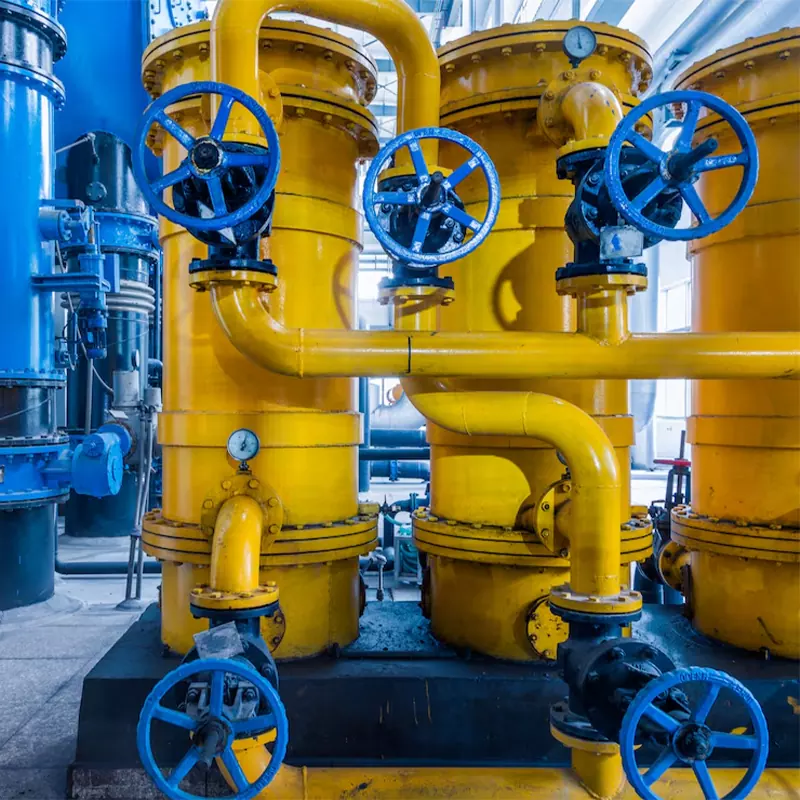
خدمات تخصصی آروین نوین در حوزه صنعت
- محصولات ما
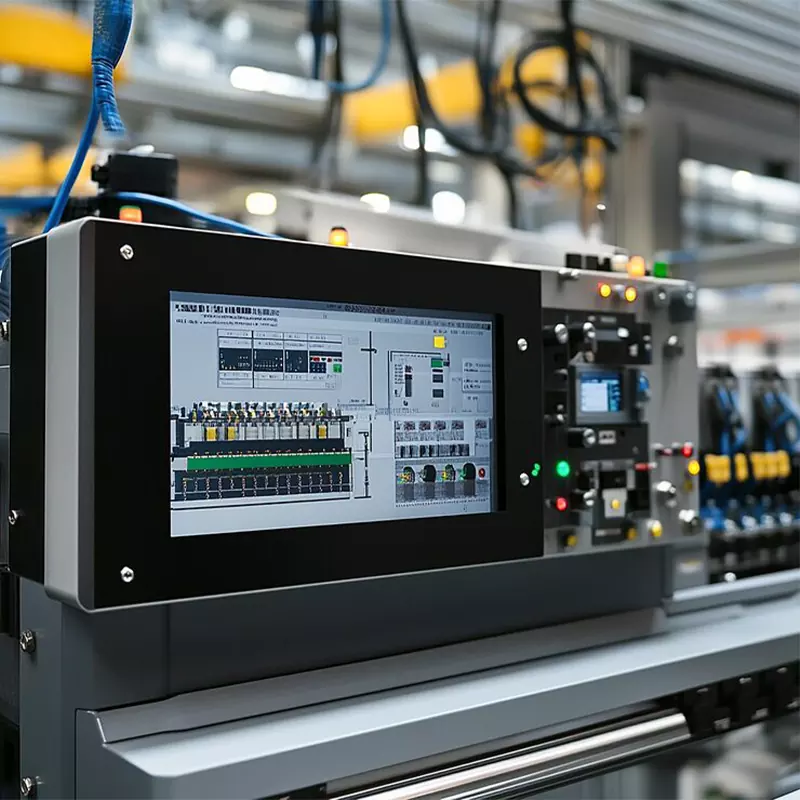
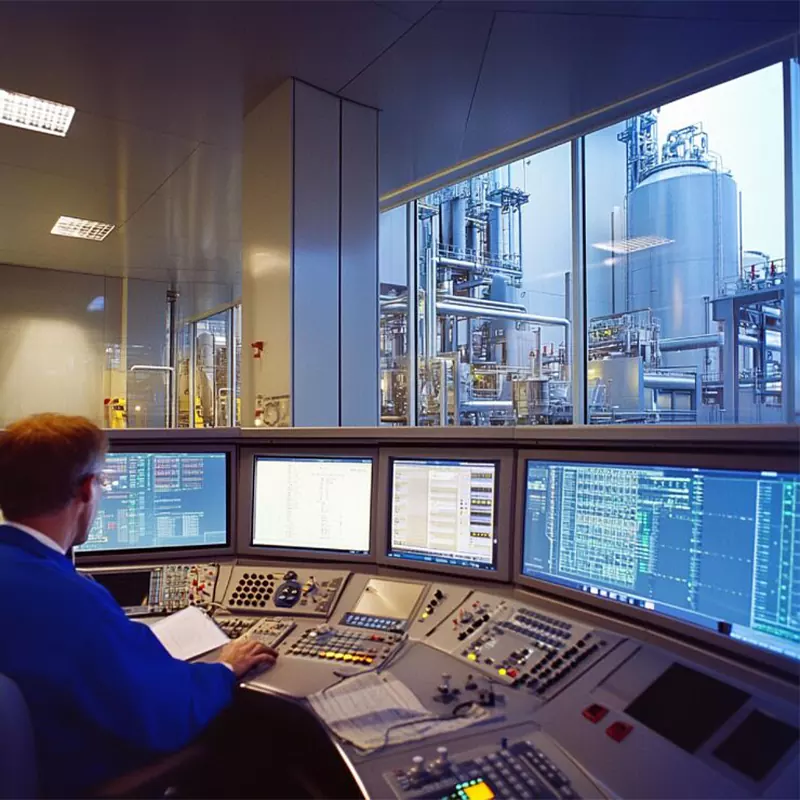
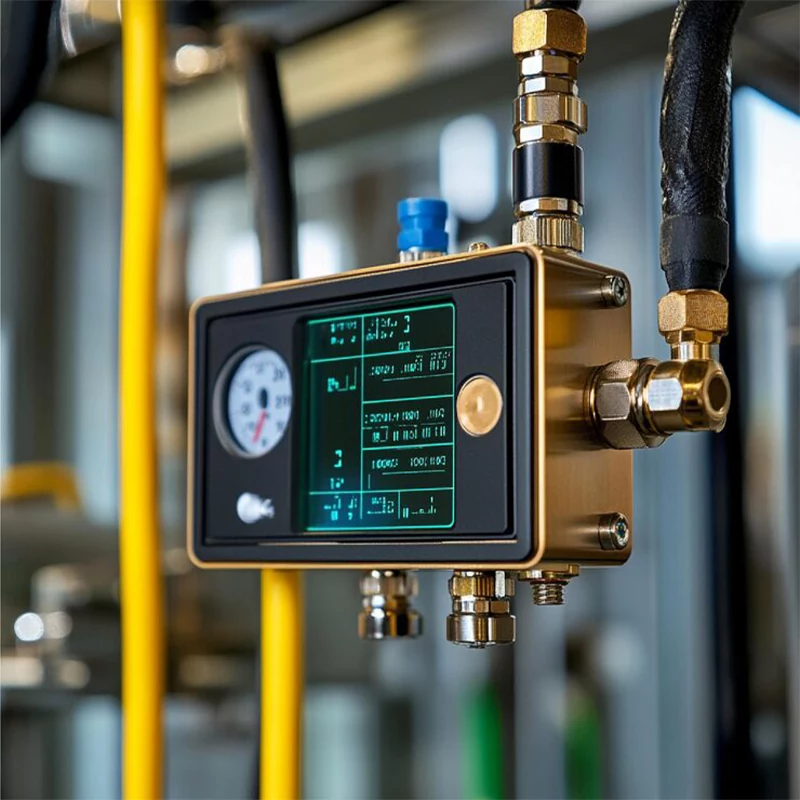
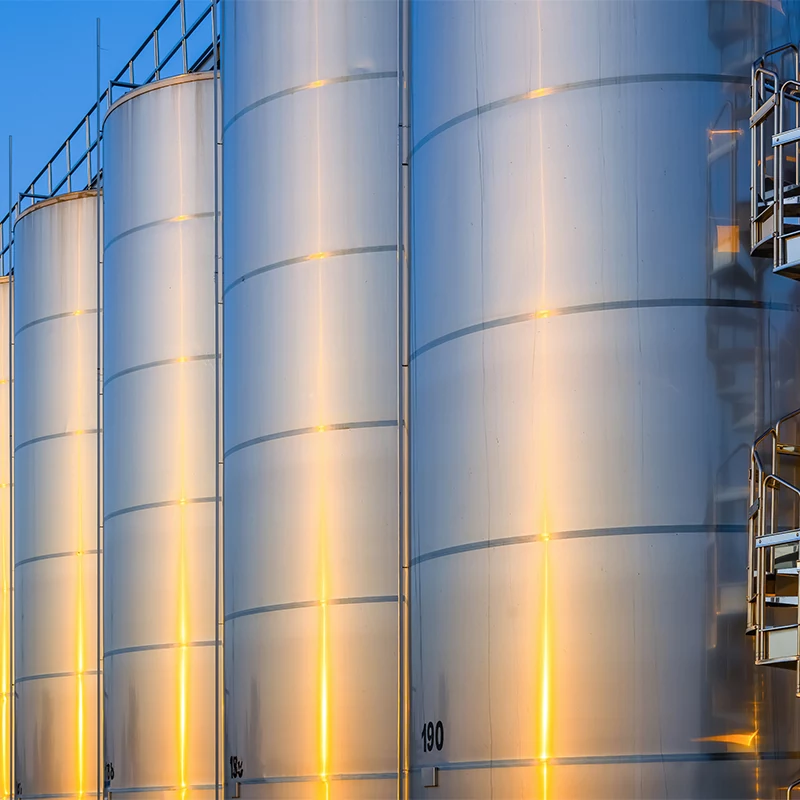
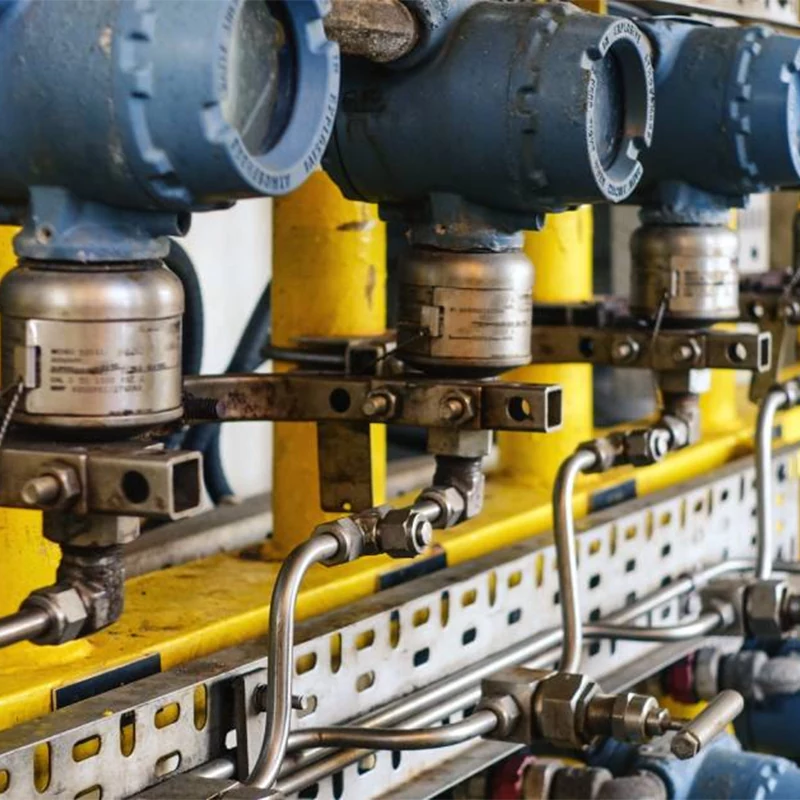
ارائه بهترین تجهیزات و راهکارها برای شما
- مشتریان ما
همکاری با شما، مایه افتخار ماست










- پروژه ها
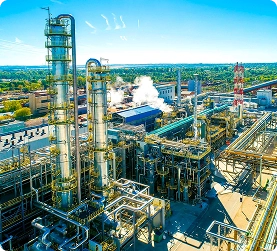
مخازن دوجداره کرایوژنیک LPG برای فاز ۱۹ طرح توسعه میدان گازی پارس جنوبی
شرکت آروین نوین، یک شرکت سهامی خاص مستقل در حوزه مهندسی، تأمین، ساخت و راهاندازی (EPCC) است که با بهرهگیری از توان تخصصی مهندسان مجرب و پشتوانه حضور موفق در پروژههای بزرگ، خدمات خود را به صنایع نفت، گاز، پتروشیمی، فولاد، سیمان و سایر صنایع سنگین ارائه میکند.
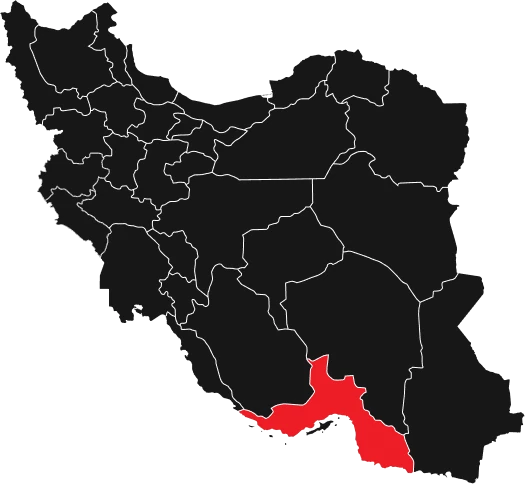
South Pars Project
Phase 19
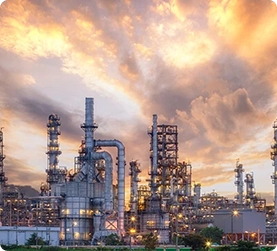
پالایشگاه نفت خام حمص
خدمات مهندسی کارگاهی ابزار دقیق و برق در پروژه بازسازی واحد ۲۲ تقطیر نفت خام
South Pars Project
Phase 19
- تیم تخصصی ما
آمادهایم در اجرای پروژههای شما همراهتان باشیم
این فرم جهت دریافت استعلامها، بررسی فرصتهای همکاری و تأمین عمده تجهیزات و اقلام موردنیاز پروژهها در نظر گرفته شده است.
در صورت تمایل به همکاری با یک مجموعه معتبر و قابلاعتماد در حوزه ساخت و تأمین تجهیزات برای پروژههای صنعتی، اطلاعات پروژه یا درخواست خود را برای ما ارسال فرمایید. پس از بررسی نیازمندیهای شما، تیم کارشناسی آروین نوین در اسرع وقت با شما تماس خواهد گرفت تا ضمن ارائه مشاوره تخصصی، شرایط همکاری و پیشنهاد فنی و مالی متناسب را ارائه کند.
- دستاوردها و سوابق اجرایی


- با ما بهروز بمانید
مقالات و اخبار آروین نوین

The global petrochemical market plays a crucial role in supporting a wide range of industries, including manufacturing, construction, automotive, agriculture, packaging, healthcare, and consumer goods. Petrochemical products serve as the foundation for countless materials and industrial applications, making market trends and price movements important factors for businesses worldwide. Understanding the key drivers behind market developments and price fluctuations can help companies make informed purchasing decisions and improve their long-term planning strategies.
One of the most significant trends in the global petrochemical market is the growing demand for advanced materials and specialty chemicals. As industries continue to adopt innovative technologies and develop more sophisticated products, the need for high-performance petrochemical materials has increased. Sectors such as electronics, renewable energy, electric vehicles, and advanced packaging are driving demand for specialized polymers and chemical compounds that offer improved durability, efficiency, and functionality.
Another major trend is the increasing focus on sustainability and environmental responsibility. Governments, businesses, and consumers are placing greater emphasis on reducing environmental impact and promoting circular economy practices. As a result, petrochemical manufacturers are investing in recycling technologies, energy-efficient production methods, and the development of more sustainable materials. This shift is influencing production strategies and creating new opportunities within the global petrochemical industry.
Regional production capacity continues to shape market dynamics. Countries with abundant oil and natural gas resources often have a competitive advantage in petrochemical production due to lower feedstock costs. Significant investments in production facilities across various regions have expanded global supply, while emerging markets continue to increase their demand for petrochemical products as industrialization and infrastructure development accelerate. These factors contribute to changes in trade flows and market competition.
Price fluctuations remain one of the most challenging aspects of the petrochemical market. The cost of crude oil and natural gas, which serve as primary raw materials for petrochemical production, has a direct impact on product pricing. When energy prices rise, production costs typically increase, leading to higher petrochemical prices. Conversely, lower energy prices can reduce manufacturing costs and contribute to more competitive market pricing.
Supply and demand imbalances also play a significant role in determining market prices. Strong industrial growth and increased consumption can drive demand higher than available supply, resulting in price increases. On the other hand, excess production capacity or weaker economic activity may create oversupply conditions that place downward pressure on prices. Businesses must closely monitor these market conditions to manage procurement strategies effectively.
Global economic conditions have a substantial influence on petrochemical market performance. Economic growth often leads to increased industrial activity, higher consumer spending, and greater demand for petrochemical products. In contrast, economic slowdowns can reduce manufacturing output and weaken demand across multiple sectors. Currency fluctuations, inflation, and trade policies can further affect market pricing and international trade activities.
Transportation and logistics factors also contribute to price volatility. Shipping costs, port congestion, supply chain disruptions, and geopolitical events can impact the movement of raw materials and finished products. These challenges may lead to temporary shortages, longer delivery times, and increased costs throughout the supply chain.
In conclusion, the global petrochemical market is influenced by a complex combination of factors, including technological advancements, sustainability initiatives, regional production capacity, energy prices, economic conditions, and supply chain dynamics. Understanding these trends and price fluctuations enables businesses to make better purchasing decisions, manage risks more effectively, and adapt to changing market conditions. As the industry continues to evolve, companies that stay informed about market developments will be better positioned for long-term success and growth.

Selecting the right petrochemical supplier is a critical decision for businesses operating in industries such as manufacturing, construction, packaging, automotive, agriculture, and healthcare. Petrochemical products often serve as essential raw materials in production processes, making supplier reliability and product quality key factors that directly impact operational efficiency and business success. Choosing a trusted supplier requires careful evaluation of several important criteria to ensure long-term value and a stable supply chain.
One of the most important factors to consider is product quality. High-quality petrochemical materials contribute to better product performance, improved durability, and greater manufacturing consistency. A reputable supplier should provide products that meet recognized industry standards and comply with relevant regulations. Consistent quality helps reduce production defects, minimize waste, and improve customer satisfaction. Businesses should review product specifications, certifications, and quality control procedures before establishing a partnership with a supplier.
Reliability and supply consistency are equally important. Production schedules often depend on the timely delivery of raw materials, and any interruption in supply can lead to costly delays. A dependable petrochemical supplier should have a proven track record of fulfilling orders on time and maintaining sufficient inventory levels. Companies should evaluate the supplier’s production capacity, logistics network, and ability to respond effectively to fluctuations in demand. Long-term reliability helps businesses maintain smooth operations and avoid unnecessary disruptions.
Pricing and overall cost efficiency are also key considerations. While competitive pricing is important, businesses should avoid focusing solely on the lowest price. The true value of a supplier is determined by the balance between cost, quality, and service. Lower-cost materials may result in quality issues, higher waste rates, or additional operational expenses. A reliable supplier offers transparent pricing structures and delivers products that provide long-term value through consistent performance and reduced production risks.
Technical expertise and customer support can significantly influence the success of a supplier relationship. Experienced petrochemical suppliers often possess in-depth knowledge of their products and applications. They can provide technical guidance, product recommendations, and solutions tailored to specific industry requirements. Strong customer service ensures that inquiries, concerns, and technical issues are addressed promptly, helping businesses maintain productivity and achieve operational goals.
Compliance with environmental and safety standards has become increasingly important in today’s industrial landscape. Responsible petrochemical suppliers follow strict environmental regulations and implement sustainable manufacturing practices. Businesses should assess whether a supplier complies with international safety standards, environmental policies, and industry certifications. Working with environmentally responsible suppliers not only reduces compliance risks but also supports corporate sustainability initiatives and enhances brand reputation.
Another important factor is the supplier’s global reach and logistics capabilities. Efficient transportation, warehousing, and distribution systems help ensure timely product delivery regardless of market conditions. Suppliers with strong logistics networks can better manage international shipments, customs procedures, and supply chain challenges. This capability is especially valuable for businesses operating across multiple regions or relying on imported petrochemical products.
Financial stability should also be considered when evaluating potential suppliers. A financially strong supplier is more likely to maintain consistent operations, invest in innovation, and withstand market fluctuations. Reviewing a supplier’s reputation, business history, and market presence can provide valuable insights into their long-term reliability and partnership potential.
In conclusion, choosing the right petrochemical supplier requires careful assessment of product quality, reliability, pricing, technical expertise, environmental compliance, logistics capabilities, and financial stability. By selecting a trusted and experienced supplier, businesses can secure a dependable source of high-quality materials, improve operational efficiency, reduce risks, and support sustainable growth in a competitive global marketplace.

Importing high-quality petrochemical products offers numerous advantages for businesses operating in various industries, including manufacturing, construction, automotive, agriculture, packaging, and healthcare. As global markets become increasingly interconnected, companies are seeking reliable sources of raw materials that can help improve product quality, maintain operational efficiency, and strengthen their competitive position. High-quality petrochemical imports provide a practical solution for organizations that require consistent performance, advanced material properties, and dependable supply chains.
One of the primary benefits of importing premium petrochemical products is the assurance of quality and consistency. Manufacturers rely on raw materials that meet strict industry standards to produce goods with reliable performance and durability. High-quality petrochemical products are typically manufactured using advanced technologies and rigorous quality control processes, ensuring uniform specifications across every shipment. This consistency helps reduce production issues, minimize waste, and improve overall manufacturing efficiency.
Another significant advantage is access to a broader range of specialized materials. International suppliers often offer petrochemical products that may not be readily available in local markets. These materials can include advanced polymers, specialty chemicals, engineering plastics, and industrial-grade compounds designed for specific applications. By importing such products, businesses gain access to innovative solutions that support product development, technological advancement, and improved performance across various industries.
Cost efficiency is also an important factor. While high-quality products may sometimes involve a higher initial purchase price, they often result in long-term savings. Superior petrochemical materials tend to offer better durability, higher performance, and lower defect rates, reducing maintenance costs and minimizing production downtime. Additionally, businesses can benefit from economies of scale by sourcing materials from large international manufacturers that operate highly efficient production facilities.
Importing high-quality petrochemical products also enhances competitiveness in the marketplace. Companies that use premium raw materials can produce higher-quality finished goods that meet customer expectations and international standards. This can improve brand reputation, increase customer satisfaction, and create opportunities to enter new markets. In industries where quality and reliability are critical, access to superior petrochemical materials can provide a valuable competitive advantage.
Supply chain diversification is another key benefit. Relying solely on domestic suppliers can expose businesses to risks such as shortages, price fluctuations, or production disruptions. Importing from reputable international sources allows companies to diversify their supplier networks and improve supply chain resilience. This flexibility helps organizations maintain stable operations even during periods of market uncertainty or regional supply challenges.
Environmental and regulatory compliance can also be improved through the use of high-quality imported materials. Many leading global petrochemical producers invest heavily in sustainable manufacturing practices and comply with strict environmental regulations. Their products often meet international safety, environmental, and performance standards, helping importing companies satisfy regulatory requirements and support sustainability goals.
Furthermore, imported petrochemical products can contribute to innovation and technological advancement. Access to cutting-edge materials enables manufacturers to develop new products, improve existing designs, and explore more efficient production methods. This capability is particularly valuable in industries such as electronics, automotive manufacturing, renewable energy, and advanced packaging.
In conclusion, importing high-quality petrochemical products offers numerous benefits, including superior quality, access to specialized materials, cost efficiency, enhanced competitiveness, supply chain stability, and support for innovation. By partnering with trusted international suppliers, businesses can strengthen their operations, improve product performance, and position themselves for long-term success in an increasingly competitive global market.
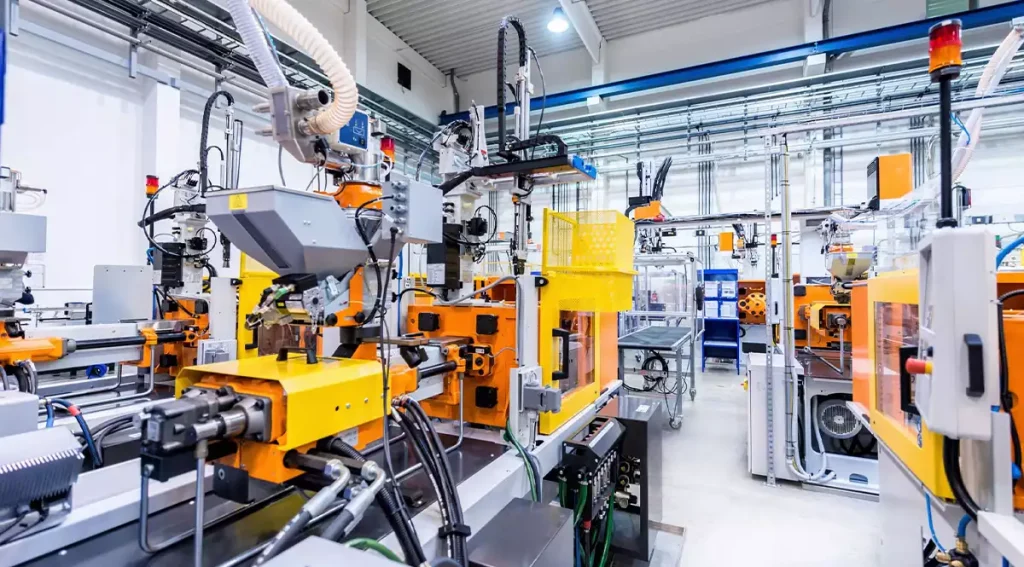
Petrochemical products play a vital role in modern industries and have become an essential part of everyday life. Derived primarily from crude oil and natural gas, petrochemicals are used to manufacture a wide range of products that support various sectors, including construction, healthcare, agriculture, transportation, electronics, and consumer goods. As industries continue to evolve and technological advancements increase, the demand for high-quality petrochemical products remains strong due to their versatility, durability, and cost-effectiveness.
One of the most significant contributions of petrochemical products is their role in the production of plastics. Plastics are widely used in packaging, automotive manufacturing, medical equipment, household products, and industrial applications. Their lightweight nature helps reduce transportation costs and improve energy efficiency, particularly in the automotive and aerospace industries. Modern vehicles, for example, rely heavily on plastic components to reduce weight and enhance fuel efficiency while maintaining safety standards.
The construction industry also benefits greatly from petrochemical-based materials. Products such as PVC pipes, insulation materials, adhesives, sealants, and synthetic coatings are widely used in residential, commercial, and industrial projects. These materials offer excellent durability, resistance to environmental conditions, and long service life, making them ideal for modern infrastructure development. Petrochemical products help improve building performance, reduce maintenance requirements, and contribute to more efficient construction processes.
In the healthcare sector, petrochemicals are essential for the production of medical devices, disposable syringes, surgical gloves, IV bags, and pharmaceutical packaging. Many life-saving medical products depend on petrochemical-derived materials because they meet strict safety, hygiene, and performance standards. The availability of reliable and affordable medical supplies has significantly improved healthcare systems worldwide and enhanced patient care.
Agriculture is another industry that heavily relies on petrochemical products. Fertilizers, pesticides, irrigation systems, and greenhouse materials are often manufactured using petrochemical derivatives. These products help farmers increase crop yields, improve food quality, and support global food security. As the world’s population continues to grow, petrochemical-based agricultural solutions remain crucial for meeting increasing food demands.
The electronics industry also depends on petrochemical materials for manufacturing smartphones, computers, cables, circuit boards, and countless other electronic devices. Advanced polymers and synthetic materials provide the insulation, flexibility, and durability required for modern technology. Without petrochemical products, many of the innovations that define today’s digital world would be difficult to achieve.
Additionally, petrochemicals contribute to the production of synthetic fibers such as polyester, nylon, and acrylic, which are widely used in the textile industry. These materials offer durability, affordability, and versatility, making them popular choices for clothing, home furnishings, and industrial fabrics.
As industries continue to prioritize innovation, efficiency, and sustainability, petrochemical manufacturers are investing in advanced technologies to improve production processes and reduce environmental impact. Recycling initiatives, energy-efficient manufacturing methods, and the development of more sustainable materials are helping the industry adapt to changing market demands.
In conclusion, petrochemical products are fundamental to modern industrial development. Their applications span numerous sectors, enabling technological progress, economic growth, and improved quality of life. From healthcare and agriculture to construction and electronics, petrochemicals continue to serve as essential building blocks for the products and systems that support today’s global economy.
